


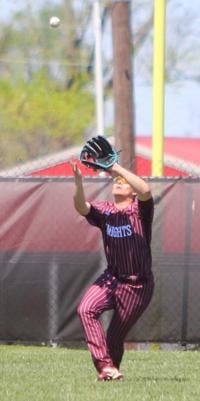




Although the Marion County School Board hit a roadblock in its efforts to fund plans for a new Lebanon Elementary School, during last Thursday…

At their meeting on April 11, the members of the Marion County School District Board of Education ironed out a few important dates for many of…
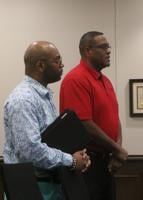
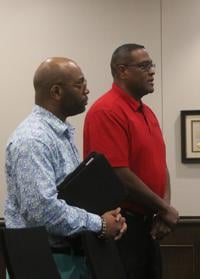
Desmond Spalding and Chris Smith were given the go-ahead by the Lebanon City Council for a new event they have planned for August.


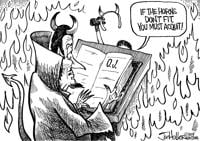
Dale Dorsey’s trial, originally scheduled to begin on May 28, has been pushed to June on the motion of the Commonwealth’s Attorney.

When the snowstorm that hit in January caused the cancellation of the Beta Convention in Lexington, that meant schools submitted their events online and competed virtually. The change didn’t bother Marion County High School.


A former employee of the Marion County Public School System has been indicted by a Marion Grand Jury.
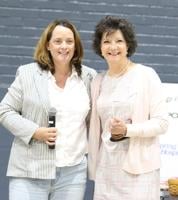

As she looked out on the crowd gathered for the Marion County Chamber of Commerce Empower Women in Leadership Breakfast, Denise Thomas reflect…
The Latest
FRANKFORT — Team Kentucky, through the Green Infrastructure Assistance Program, is seeking grant applications for projects that help rural and…




Former President Donald Trump and country singer Lee Greenwood have released the God Bless t…


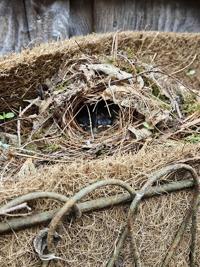
We have been watching a pair of Carolina wrens nesting, hatching, and feeding their babies f…
First Baptist Lebanon to hold Spring Revival from April 17-19